
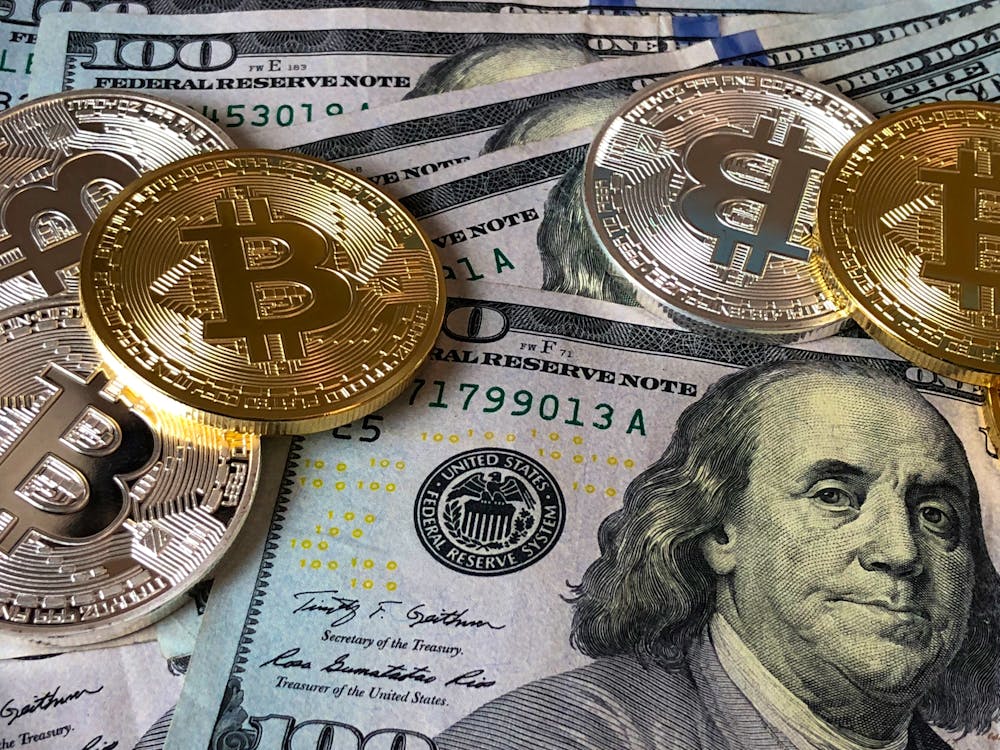
In the realm of digital currencies, Bitcoin stands as a towering figure, captivating the attention of investors, technologists, and the general public alike. But what exactly is Bitcoin, and why is it generating so much buzz? Let's delve into the world of Bitcoin and explore its intricacies, applications, and potential impact on the future of finance.
What is Bitcoin?
At its core, Bitcoin is a decentralized digital currency that operates on a peer-to-peer network known as the blockchain. Introduced in a whitepaper by the mysterious Satoshi Nakamoto in 2008, Bitcoin represents a groundbreaking innovation in the realm of finance. It is not controlled by any central authority, such as a government or financial institution, but rather relies on cryptographic techniques to secure transactions and maintain the integrity of the network.
The Blockchain: A Foundation of Trust
Central to Bitcoin's operation is the blockchain, a distributed ledger that records all transactions in a transparent and immutable manner. Each transaction is verified by network nodes through cryptographic algorithms and added to a block, which is then linked to previous blocks, forming a chain. This decentralized and tamper-proof system ensures the security and transparency of Bitcoin transactions, eliminating the need for intermediaries and fostering trust among users.
Mining and Supply
Bitcoin is created through a process called mining, where network participants known as miners use powerful computers to solve complex mathematical problems and validate transactions. In return for their efforts, miners are rewarded with newly minted Bitcoins, incentivizing them to contribute to the security and operation of the network. However, Bitcoin's supply is limited to 21 million coins, making it a deflationary asset with scarcity akin to precious metals like gold.
Use Cases and Applications
Bitcoin has a myriad of use cases and applications, ranging from online purchases and remittances to investment and store of value. As a decentralized currency, it offers several advantages over traditional fiat currencies, including lower transaction fees, faster cross-border transfers, and increased security and privacy. Many individuals and businesses around the world are embracing Bitcoin as a means of transacting and preserving wealth in an increasingly digital economy.
Volatility and Regulatory Challenges
Despite its potential benefits, Bitcoin is also subject to volatility and regulatory scrutiny. Its price can experience dramatic fluctuations in a short period, making it a high-risk investment. Additionally, governments and regulatory bodies around the world have implemented measures to regulate or ban Bitcoin and other cryptocurrencies, citing concerns about money laundering, tax evasion, and financial stability.
The Future of Bitcoin
Despite these challenges, Bitcoin continues to garner widespread attention and adoption, with its value reaching new heights and its influence extending into various sectors of the economy. As the cryptocurrency ecosystem evolves and matures, Bitcoin is poised to play a significant role in shaping the future of finance, driving innovation, empowering individuals, and reshaping the global financial landscape.
Conclusion
In summary, Bitcoin represents a paradigm shift in the way we think about money and finance. Its decentralized nature, scarcity, and technological innovation have positioned it as a potential alternative to traditional currencies and a catalyst for financial inclusion and empowerment. While challenges remain, the potential of Bitcoin to revolutionize the world of finance cannot be ignored, making it a fascinating subject of study and speculation for investors, technologists, and enthusiasts alike.