
In the world of cryptocurrency, security is paramount. With the decentralized and pseudonymous nature of cryptocurrencies, ensuring the safety of your digital assets is essential to protecting them from theft, fraud, and other malicious activities. Here are some key security measures to consider when dealing with cryptocurrency:
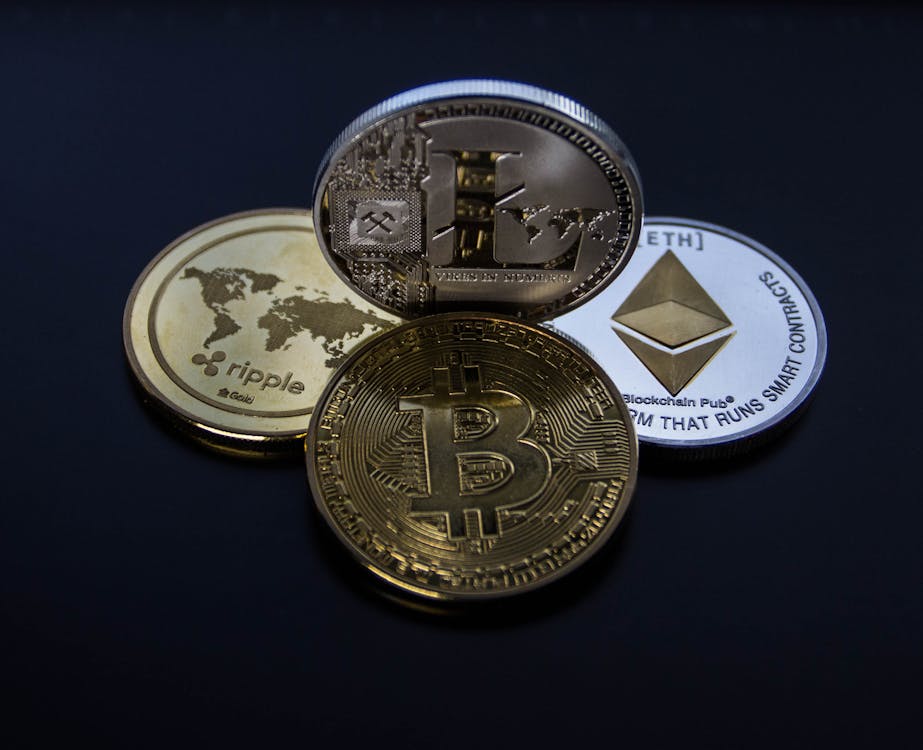
1. Secure Wallets:
- One of the first steps in securing your cryptocurrency holdings is to choose a secure wallet for storing them. Wallets come in various forms, including hardware wallets, software wallets, and paper wallets. Hardware wallets, such as Ledger or Trezor, are considered among the most secure options as they store your private keys offline, making them less vulnerable to hacking attacks.
2. Two-Factor Authentication (2FA):
- Enable two-factor authentication wherever possible to add an extra layer of security to your accounts. 2FA requires users to provide two forms of verification before accessing their accounts, typically a password and a unique code sent to their mobile device or generated by an authenticator app. This helps prevent unauthorized access to your cryptocurrency accounts, even if your password is compromised.
3. Backup Your Keys:
- Always make sure to backup your private keys or recovery phrases in multiple secure locations. Losing access to your private keys means losing access to your cryptocurrency holdings, so it's crucial to have backups in case of hardware failure, loss, or theft.
4. Keep Software Up-to-Date:
- Regularly update your wallet software and any other applications or platforms you use to interact with cryptocurrency. Software updates often include security patches and bug fixes that help protect against vulnerabilities and exploits.
5. Use Secure Networks:
- When conducting cryptocurrency transactions or accessing your accounts online, avoid using public Wi-Fi networks or unsecured connections. Instead, use a secure and trusted network, such as your home Wi-Fi network, to reduce the risk of interception or man-in-the-middle attacks.
6. Beware of Phishing Scams:
- Be vigilant against phishing scams and fraudulent websites that attempt to trick users into revealing their private keys or login credentials. Always double-check URLs, verify the legitimacy of websites and email addresses, and never share sensitive information with unknown or unverified sources.
7. Diversify Your Holdings:
- Consider diversifying your cryptocurrency holdings across multiple wallets and exchanges to mitigate risk. This helps spread out your exposure and reduces the impact of any potential security breaches or losses.
8. Educate Yourself:
- Stay informed about the latest security threats and best practices in cryptocurrency security. Educate yourself about common scams, phishing techniques, and security vulnerabilities to better protect yourself and your assets.
By implementing these security measures and staying vigilant, you can help safeguard your cryptocurrency holdings and enjoy peace of mind knowing that your digital assets are protected against potential threats and risks.